
Safe Foundry blog
Practical guides on chemical registers, SDS management, storage, COSHH, DSEAR and workplace controls.
49–60 of 77 articles
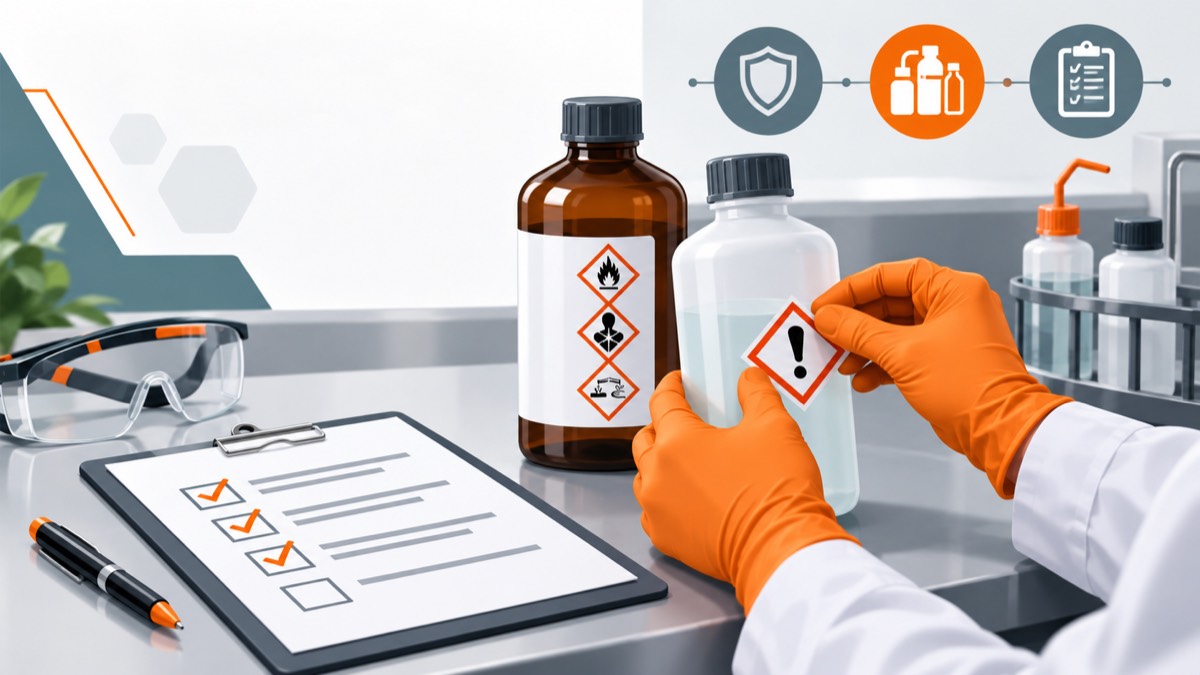
How to Label Decanted Chemicals at Work
Label decanted chemicals and workplace containers clearly with product identity, hazards and controls, while avoiding common errors such as unlabelled bottles.
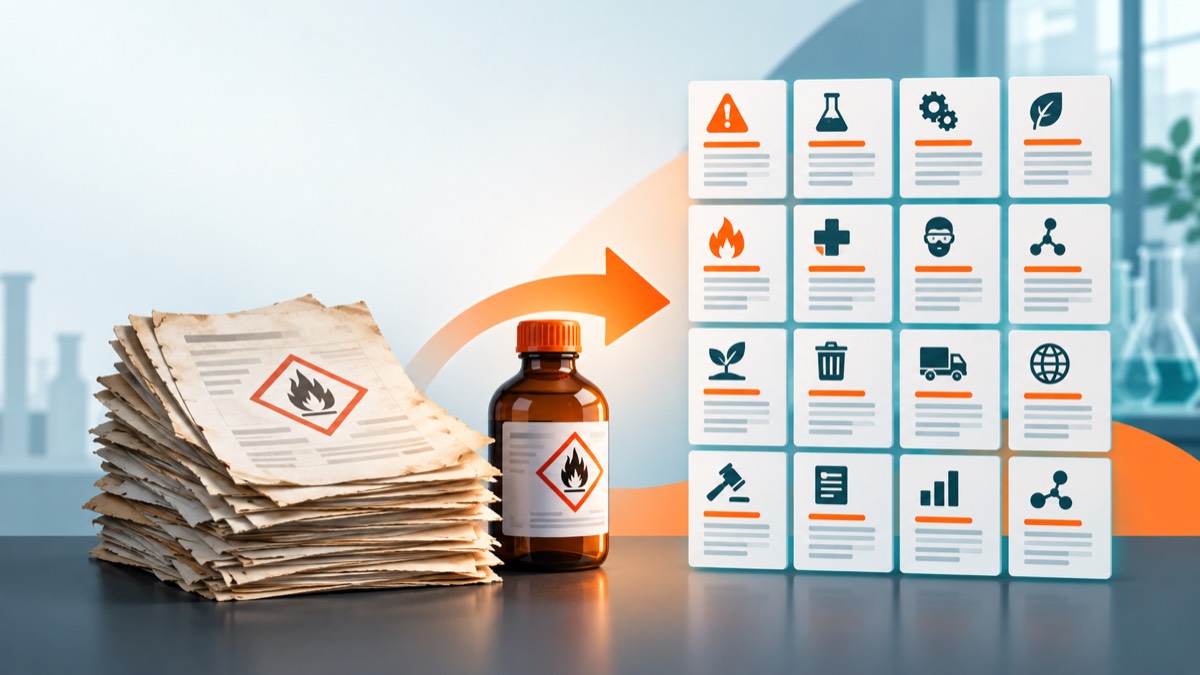
SDS vs MSDS: What Changed and Why It Matters
Understand the difference between SDS and MSDS, the standard 16-section format and how UK workplaces should control current supplier safety information.
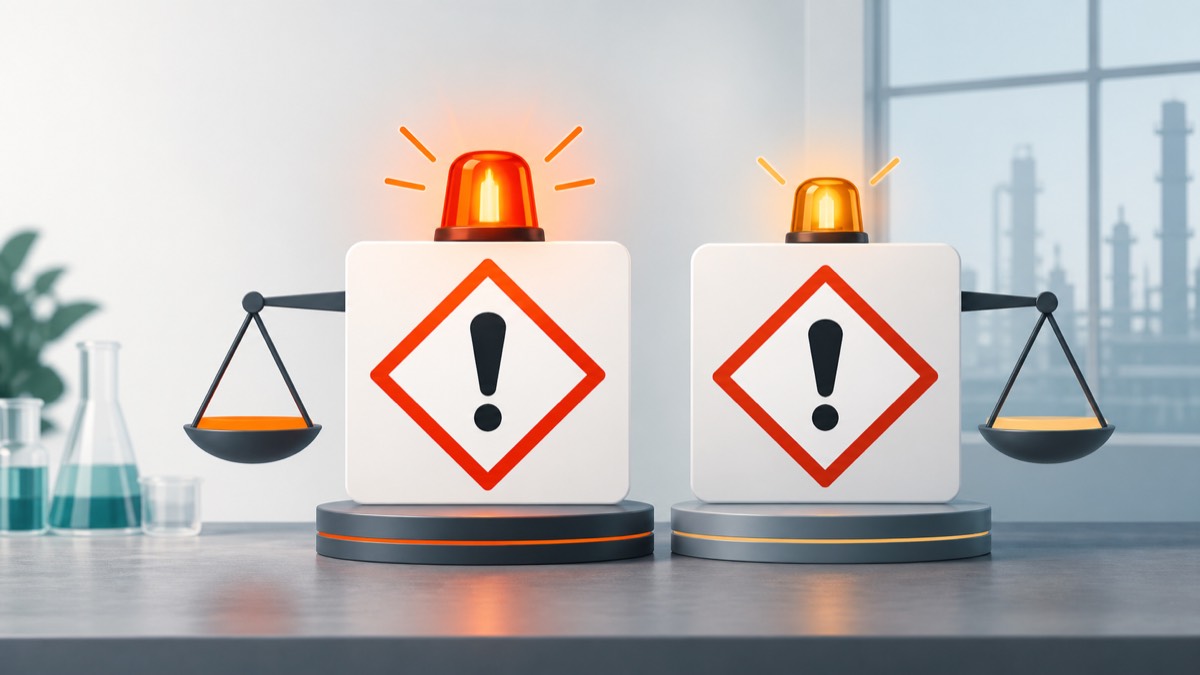
Signal Words: What "Danger" vs "Warning" Mean
Learn what Danger and Warning mean on GB CLP chemical labels, how precedence works and why a signal word never replaces the hazard statements or assessment.

GB CLP Explained: UK Chemical Labelling After Brexit
Understand GB CLP after Brexit, who it applies to, how classification and labels work, and why Northern Ireland follows a different chemical regime.
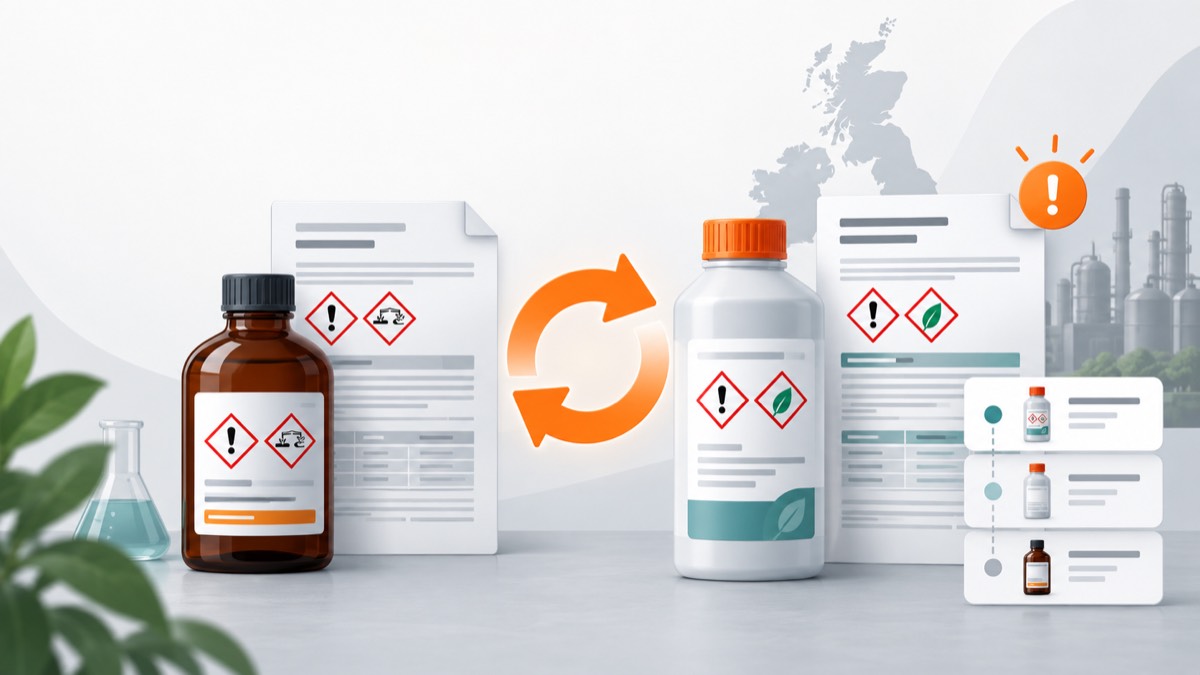
Managing SDS When Suppliers Reformulate Products
Use a controlled workflow to spot supplier reformulations, compare SDS versions and update chemical registers, COSHH assessments, labels and storage decisions.

How Long Must You Keep COSHH Records and SDS?
See how long to keep COSHH assessments, SDS, exposure monitoring, control-test and health-surveillance records under UK guidance and law.
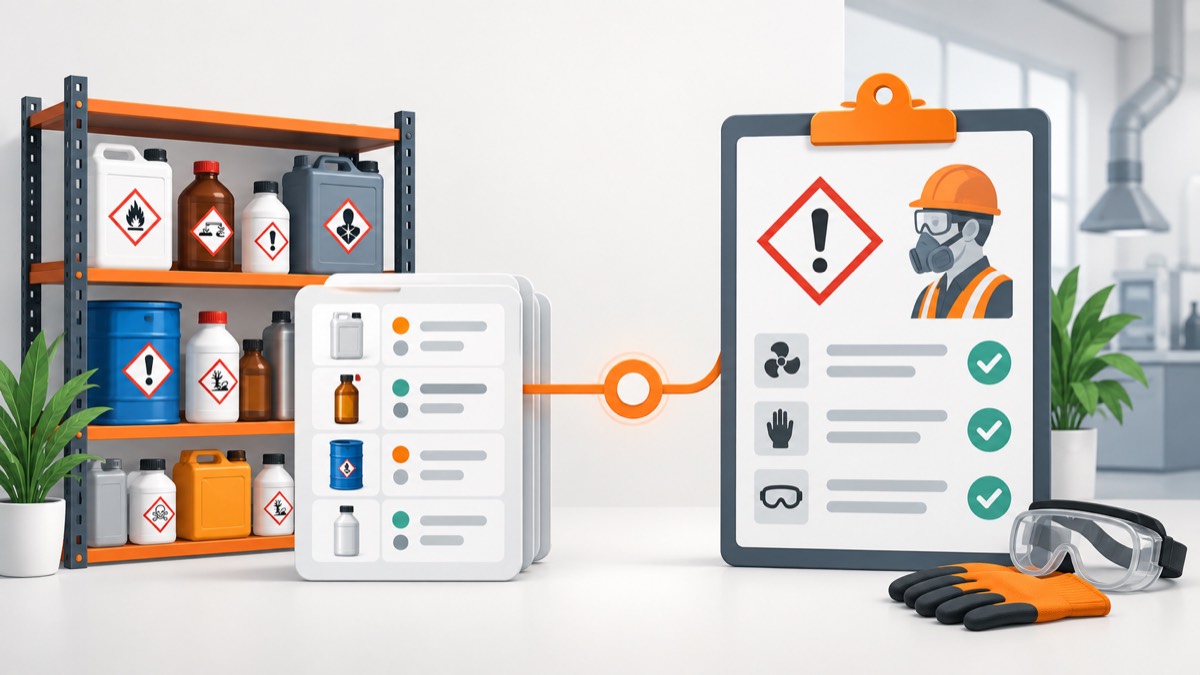
Chemical Register vs COSHH Assessment: Differences
Compare a chemical register with a COSHH assessment, see what each document contains and learn how UK teams should connect them without duplication.
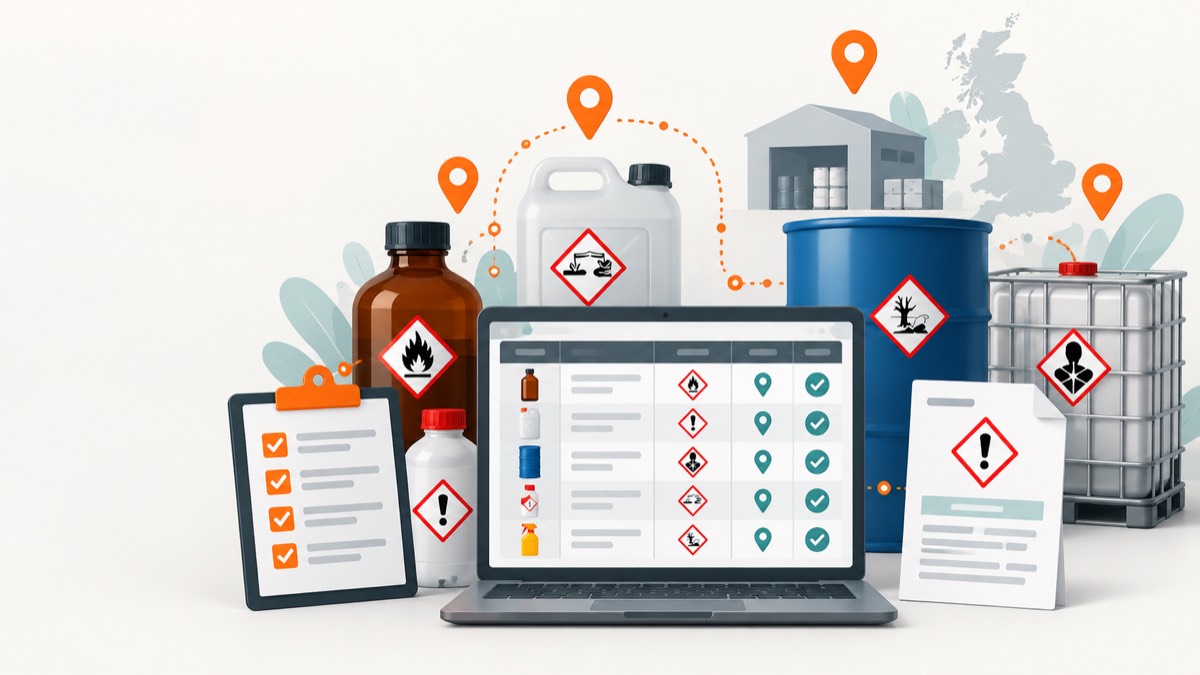
How to Build a Chemical Inventory: Steps + Template
Build a usable chemical inventory with this step-by-step UK guide, field template and process for linking products, locations, SDS and assessments.
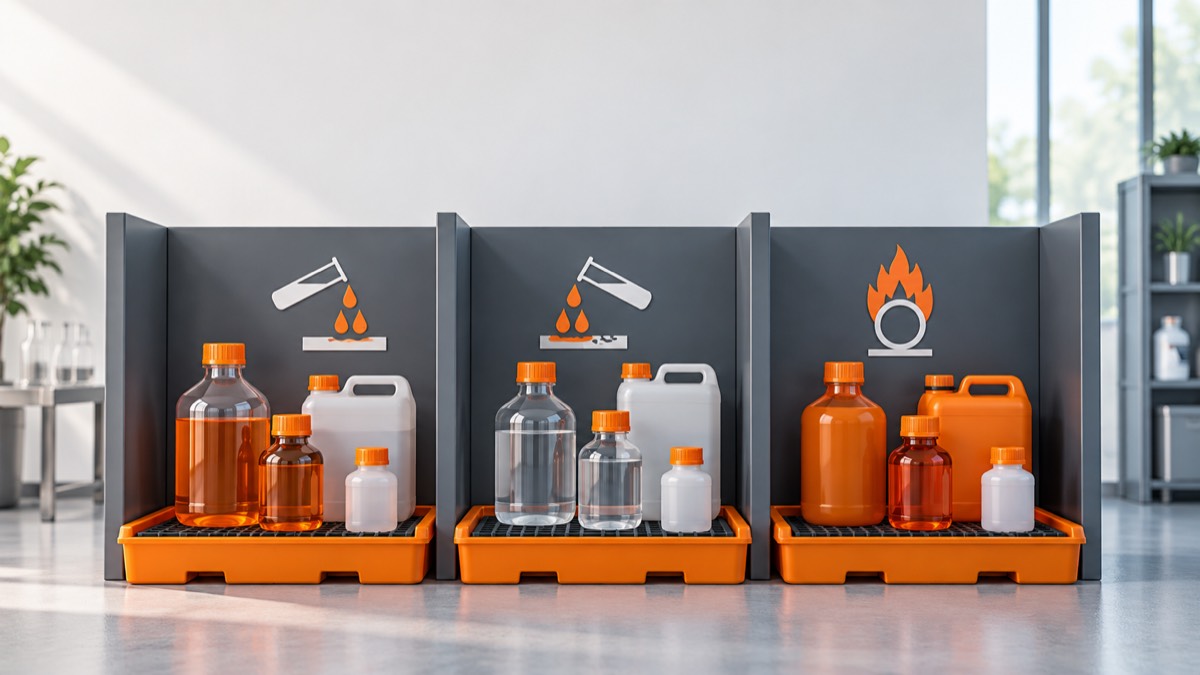
Segregating Acids, Bases and Oxidisers Safely
Learn how to segregate acids, bases and oxidisers using SDS evidence, separate containment, clear storage groups and practical inspection checks.
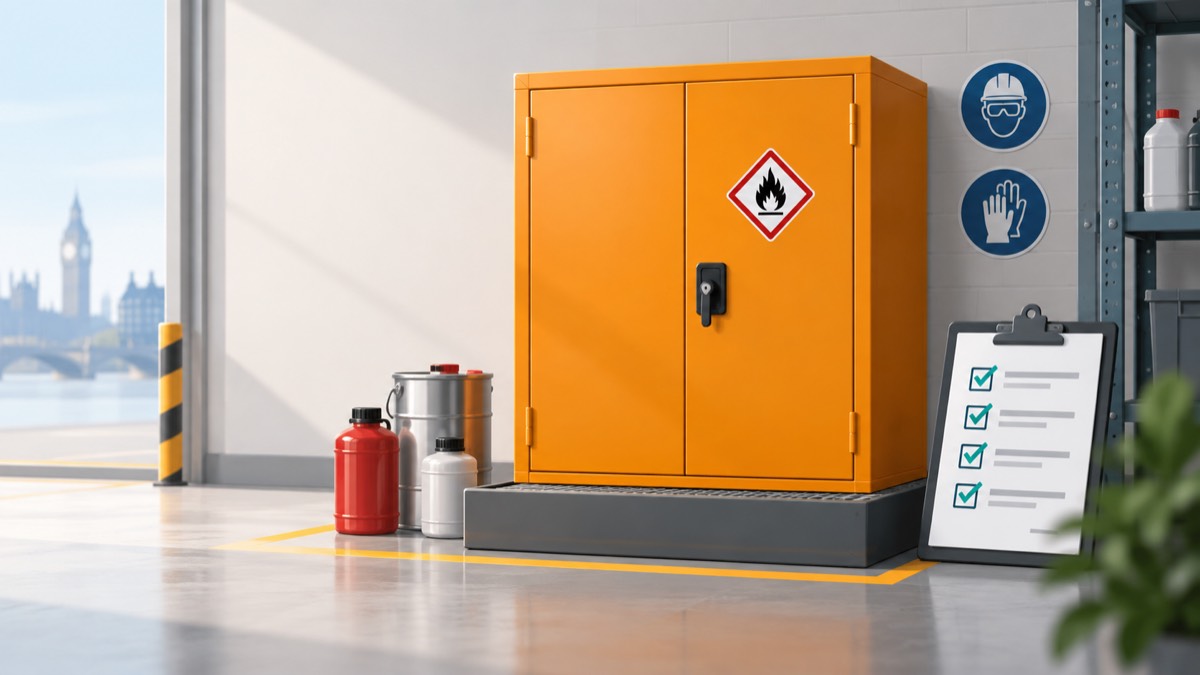
Flammable Storage Cabinet Rules in the UK
Understand UK flammable storage cabinet rules, including quantity control, siting, ventilation, spill retention, inspection and DSEAR duties.
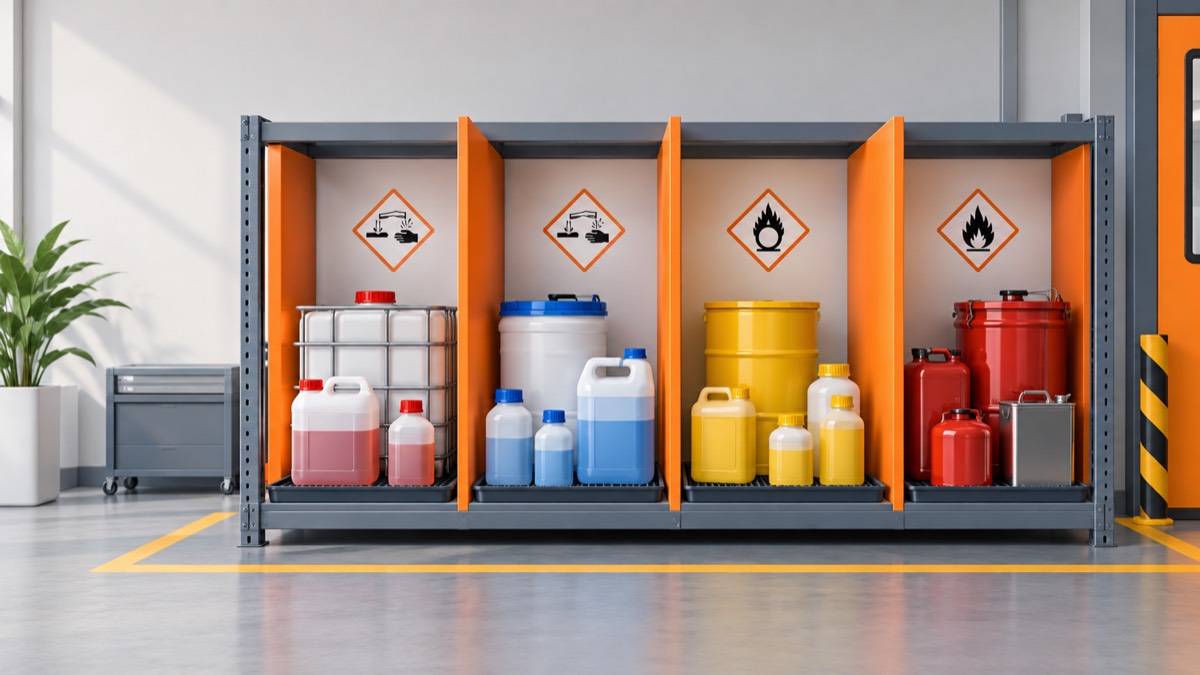
Which Chemicals Can't Be Stored Together? A Guide
Use this practical chemical compatibility guide to identify common storage conflicts and turn SDS information into safer segregation decisions.
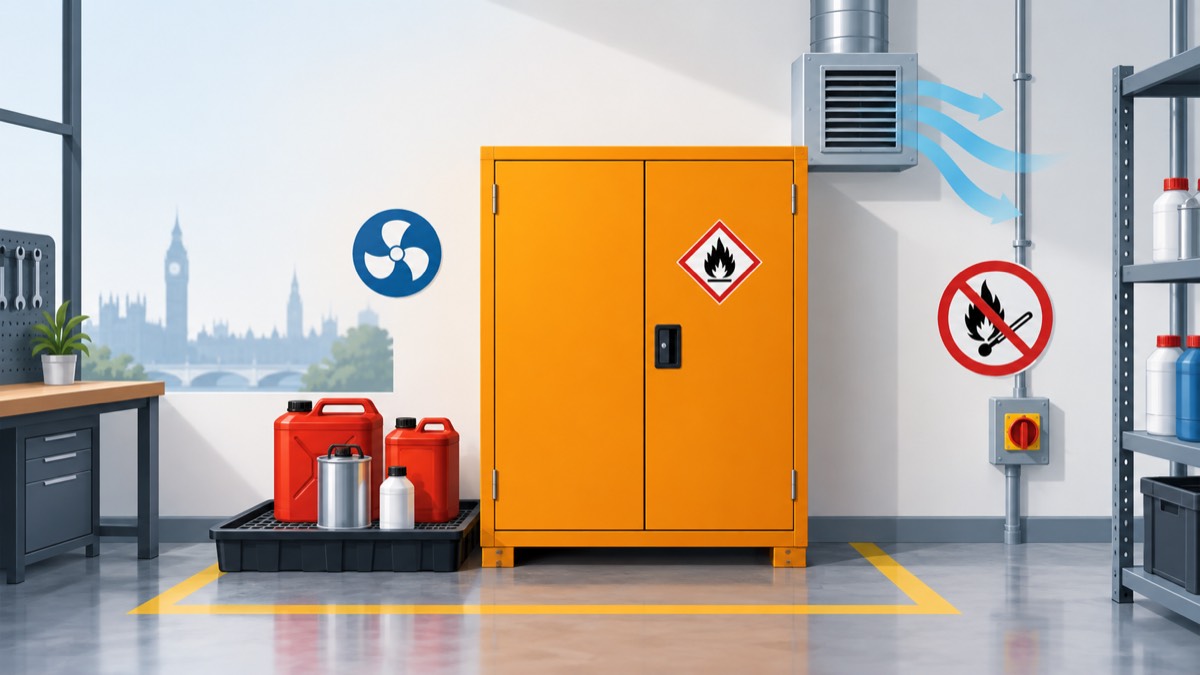
Flammable Liquid Storage: Your DSEAR Duties Explained
Learn how DSEAR applies to flammable liquid storage, from risk assessment and separation to spill control, ventilation and emergency planning.