
COSHH Substitution: Choosing a Safer Product or Process
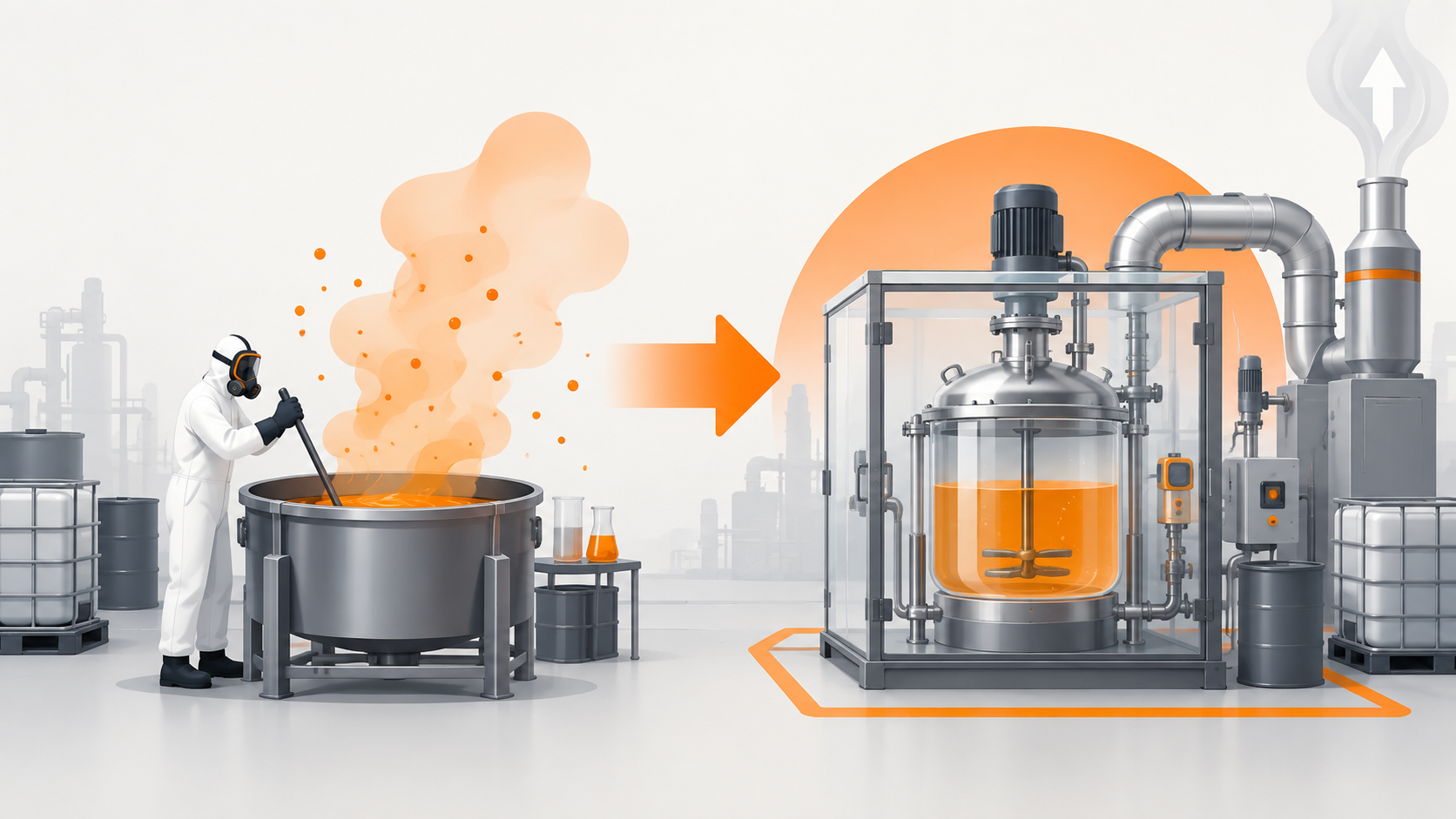
- COSHH substitution can replace a hazardous substance or change the process so a hazardous form is not created.
- A lower hazard label alone does not prove an alternative is safer in the actual task.
- Compare performance, exposure, storage, waste and new hazards before introducing a substitute.
- Review the replacement after use to confirm that workers can follow the new method and exposure has fallen.
COSHH substitution means changing a substance, physical form or work process to prevent or reduce exposure at source. It can be more reliable than asking every worker to avoid a release with protective equipment. A good substitution decision compares the whole task before and after the change, including any new hazards the alternative introduces.
What counts as substitution under COSHH?
The Health and Safety Executive (HSE) describes two broad routes: use a substance presenting less or no risk, or use a process that avoids creating a hazardous form. Its substitution guide gives examples such as using a liquid instead of a powder or buying pre-packed material rather than weighing loose powder. These are changes to exposure, not merely changes to paperwork.
Think beyond the product name. A brush application may reduce airborne mist compared with spraying. A ready-to-use dilution may avoid handling a concentrate. A pellet may release less dust than a fine powder. The safer option depends on the task, quantity, temperature and people nearby. HSE's COSHH assessment page asks employers to consider elimination or a safer alternative before relying on personal protective equipment.
The first question is whether the hazardous material or step is needed at all. If a task can be removed, there may be no replacement chemical to assess. If substitution is necessary, define the job the existing product performs so a proposed alternative can be tested against the real requirement rather than just a catalogue description.
How should alternatives be compared?
List the current task's hazard and exposure profile: physical form, release route, amount, duration, frequency, storage and waste. Then gather equivalent information for each candidate. Safety data sheets (SDS) help describe hazards and recommended precautions, but HSE notes that an SDS is not a workplace risk assessment. An alternative can have a milder classification yet require more product, longer application or more intensive cleaning.
Compare likely exposures at each step. A water-based coating may reduce one solvent exposure but extend drying or require a different application method. A pre-mixed liquid may remove powder handling but add more containers to move and store. The aim is not to search for a perfect product; it is to understand whether the proposed method reduces risk overall and can be controlled in the actual workplace.
Check what happens outside normal use. What if the substitute spills, is heated, reacts with another material or creates waste? Can existing equipment and containers handle it? Will workers need new training or a different emergency arrangement? A proposed alternative that solves one exposure while creating an unrecognised one has not completed the comparison.
How do you run a controlled trial?
Agree a small trial with the people who will use the product. Record the candidate, task, location, expected quantity, controls, success criteria and who may stop the trial. Use current supplier information and ensure the trial itself is assessed. Workers should know what to report: fumes, splashes, residues, poor cleaning performance, extra rework or equipment problems.
Observe rather than relying only on purchase specifications. Does the alternative achieve the required result in the time available? Do workers bypass the intended control because the method is awkward? Does it leave more material on surfaces or require more frequent handling? These findings are evidence for a decision, not a failure of the trial.
HSE's seven-step substitution approach ends with introducing the substitute and assessing how it works. Keep the comparison and trial result with the COSHH assessment so the next reviewer understands why the change was made. If the candidate is rejected, record the reason and consider another option rather than assuming substitution is impossible.
What changes after a substitute is approved?
Update the task assessment, operating instruction, product register, labels, storage location, spill plan, training and waste route as needed. Retire obsolete product from active use through an authorised process. Leaving both old and new products on the same shelf without clear instructions can create confusion and defeat the exposure benefit.
Tell workers what changed and why, then check the new method in use. A lower-hazard product may still need ventilation or gloves for a particular task. HSE's control principles emphasise that control measures should be proportionate and reviewed for continuing effectiveness.
Linking the SDS and task assessment makes later product changes easier to catch. The Safe Foundry feature overview and assessment workflow show how those records can sit together. The success measure is practical: exposure is reduced in the real task, not just on the label of the replacement bottle.
What would a comparison worksheet contain?
Consider replacing a powdered cleaning agent with a pre-dosed liquid. The worksheet lists the existing powder's handling step, visible dust release, cleaning performance, storage and waste. It then records the proposed liquid's dilution or dispensing method, possible splashes, container volume and any new storage requirement. Workers trial both methods under comparable conditions and report how often they must handle the material. The decision can then explain which exposure routes fell, which remained and what new controls are required.
Use columns for the candidate, evidence source, task implication, uncertainty and decision. A score based only on hazard statements can hide a worse method. Where evidence is incomplete, ask the supplier, test a limited sample or seek competent advice. Do not fill gaps with optimistic assumptions simply to complete the table.
How can a new problem be caught after launch?
Set a review point after the replacement has been used in routine work. Observe a full task, not only a demonstration. Does the dosing equipment still work? Are workers carrying more containers or using an unapproved shortcut? Has the alternative changed the cleaning time, leaving more residue? Are other workers now exposed during restocking or waste handling? These questions test whether the planned benefit survived everyday use.
Record incidents, complaints and control failures against the new method. If the substitute creates a different risk, adjust the method or reconsider the choice. The option should not be protected from scrutiny merely because the business invested in it. A good substitution programme is iterative: identify a hazardous exposure, compare credible options, trial carefully, introduce the better method and verify that it performs as intended.
What if no single substitute is suitable?
The search can still improve control. A hazardous substance may be technically necessary, yet a different form, smaller package, closed dispensing method or lower-temperature process can reduce exposure. Record which options were considered and why they were rejected. This shows that the decision was made against the real task rather than by defaulting to the product already in stock.
Revisit the options when technology, supplier offerings or the work requirement changes. A rejection based on yesterday's equipment may no longer apply after a process redesign. Workers may also identify a method that achieves the same result with fewer open handling steps. Treat their suggestions as candidates for a controlled trial, not as informal substitutions on shift.
Communicate the decision to purchasing as well as workers. If the old product can be reordered automatically, the site may drift back to the previous method. Update approved items, storage and instructions together, and keep a route for workers to report when the substitute does not perform as expected.
Frequently asked questions
Is buying a less hazardous product always a COSHH improvement?
Not automatically. Compare the full method, amount used, duration, exposure routes and new hazards before deciding.
Can changing a process count as substitution?
Yes. A process change that avoids generating dust, mist or another hazardous form may reduce exposure without replacing the substance itself.
Should workers be involved in a substitution trial?
Yes. They can identify practical problems and exposure points that are easy to miss in a desk review.
What if the substitute does not work technically?
Record the result, restore appropriate controls for the existing task and consider other candidates or process changes.
Workplace exposure limits in EH40 help assess airborne exposure in Great Britain. Learn what the figures mean, what they miss and how to review controls.
Spray Painting COSHH: Assessing Mist and Controls at WorkSpray painting COSHH assessments must consider aerosol mist, other workers and the whole paint task. Learn how to review booths, RPE and clean-up controls.
SDS Section 9: Physical Properties That Change RiskSDS Section 9 lists physical and chemical properties. Learn which values affect workplace exposure, storage and spill planning, and how to use them.